C vs C++: A Beginner’s Guide to Syntax and Similarities
If you have already started learning C, moving to C++ will feel familiar but it also opens up many more features. C++ was built on top of C, so many parts are the same. But C++ adds extra tools, especially for object-oriented programming.
In this blog, we’ll go over all the basic syntax of C++ and compare it with C. This is perfect for new learners who want to understand how C and C++ are similar and different.

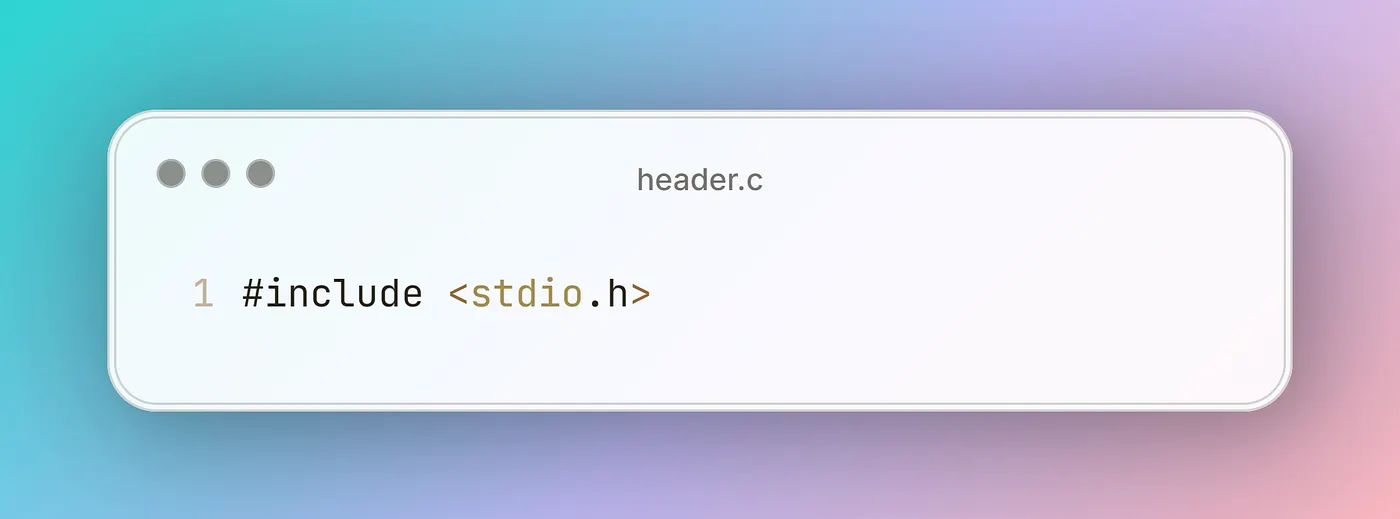
Header Files
In C:
In C++
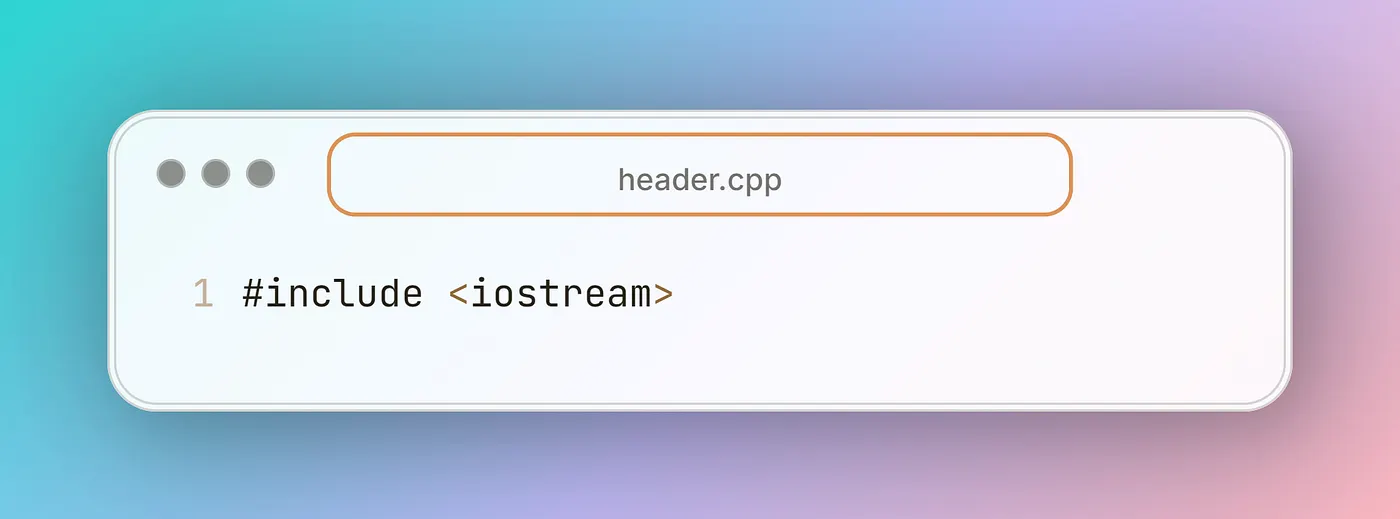
In C, we use stdio.h for input/output.
In C++, we use iostream This is one of the first changes you’ll notice.
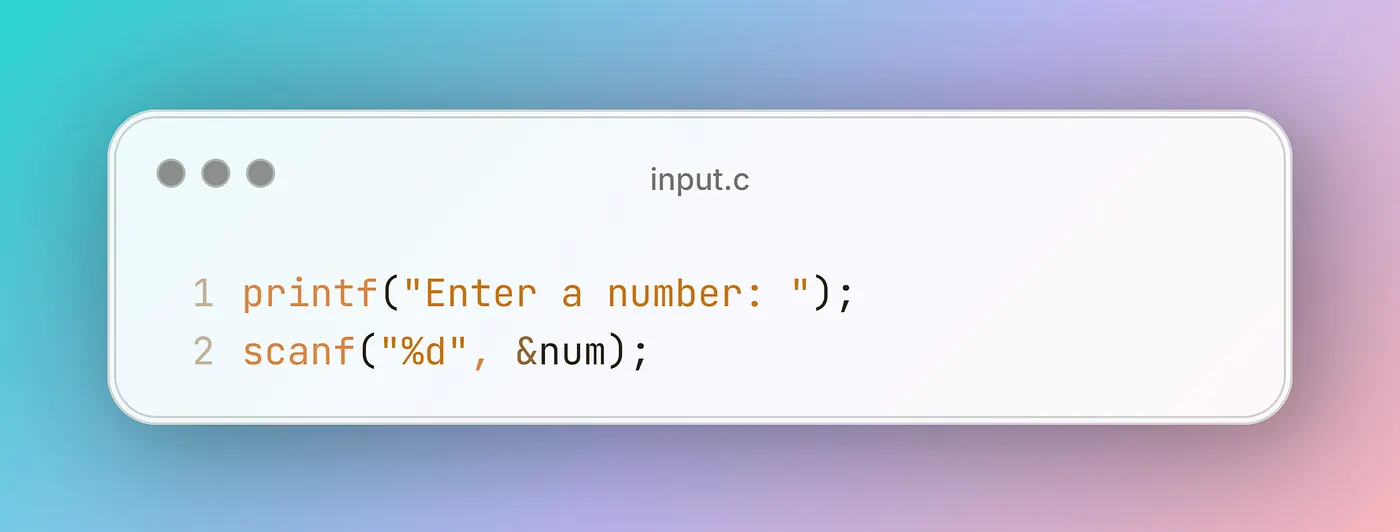
Input and Output
C style (printf, scanf):
C++ style (cin, cout):
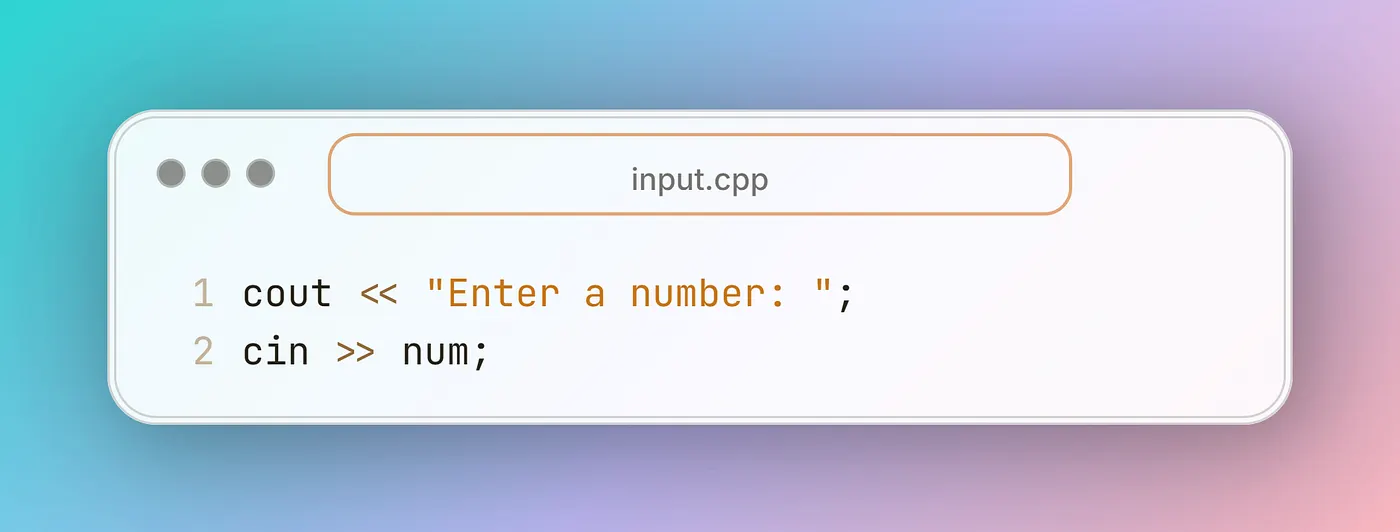
C++ uses cin and cout, which are easier to read and write. No need for format specifiers like %d or %f.
Main Function
Both C and C++:

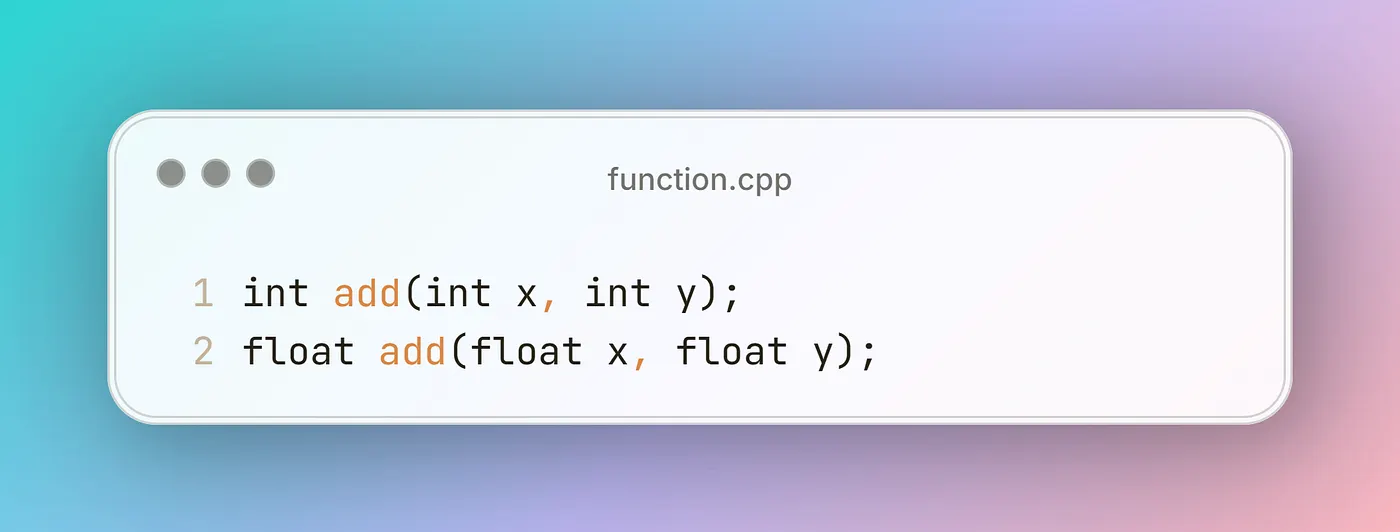
No major difference here. But in C++, you can use function overloading, which isn’t possible in C.
Variables and Data Types
Same in both languages:
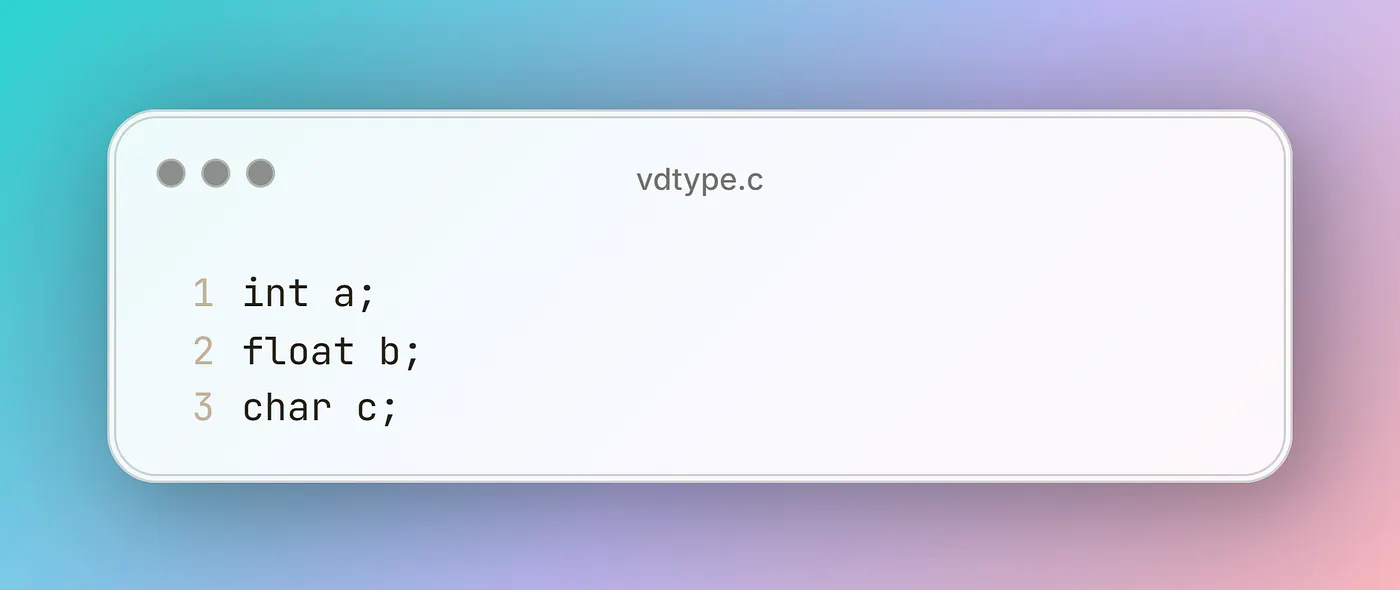
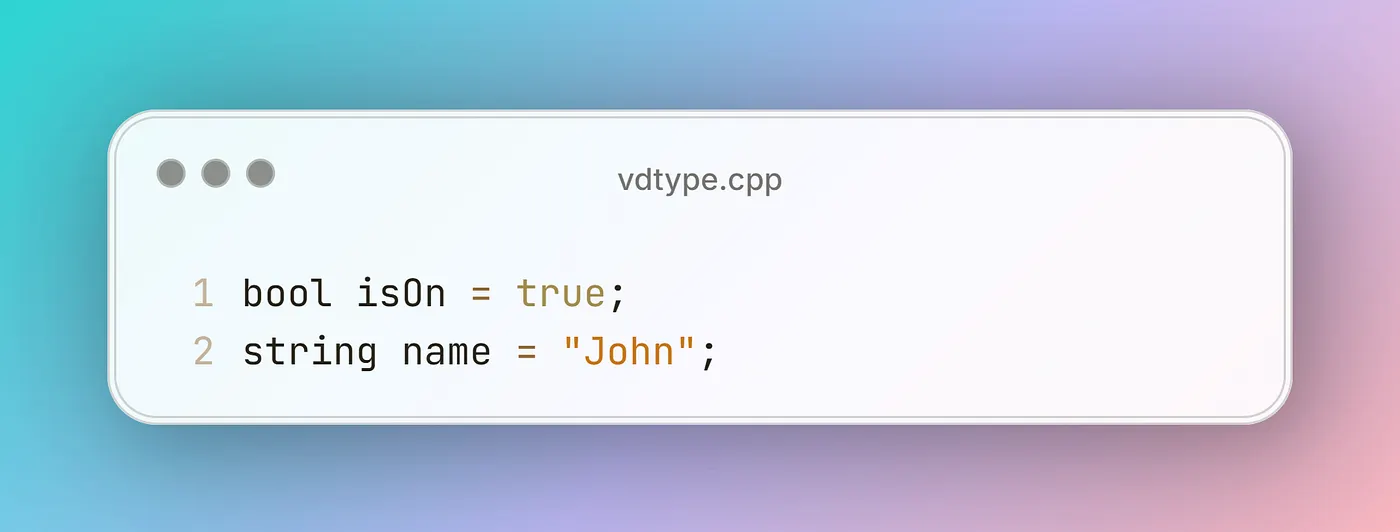
In both languages, you declare variables with a type. But in C++, you can also use bool and string directly.
C++ adds:
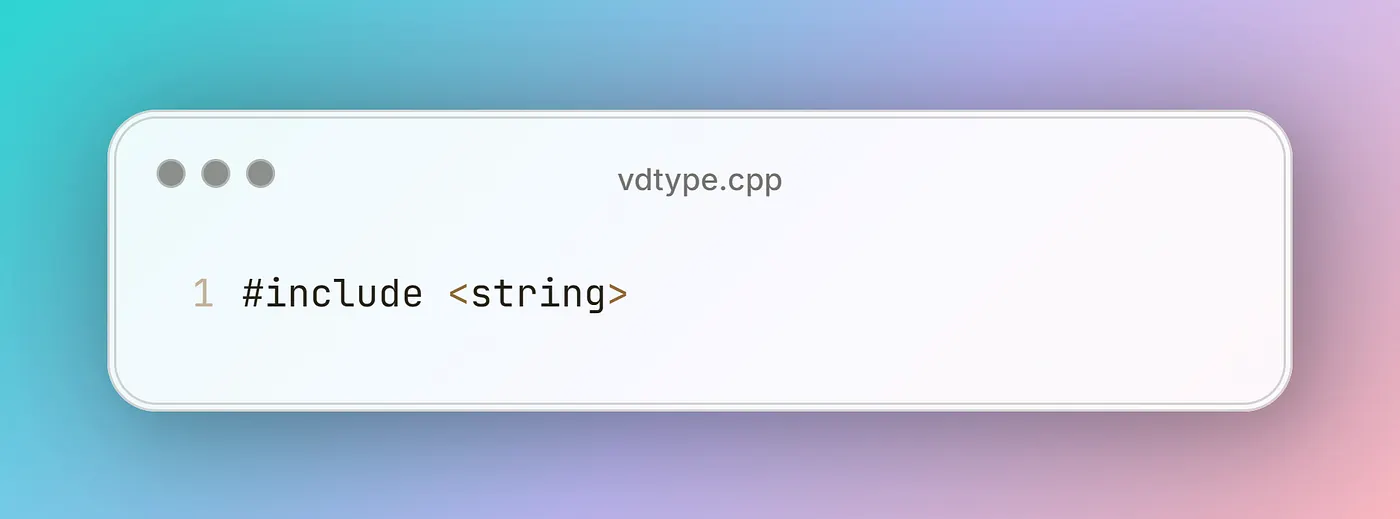
To use string in C++, you need to include:
Conditionals and Loops
These are almost the same in C and C++:
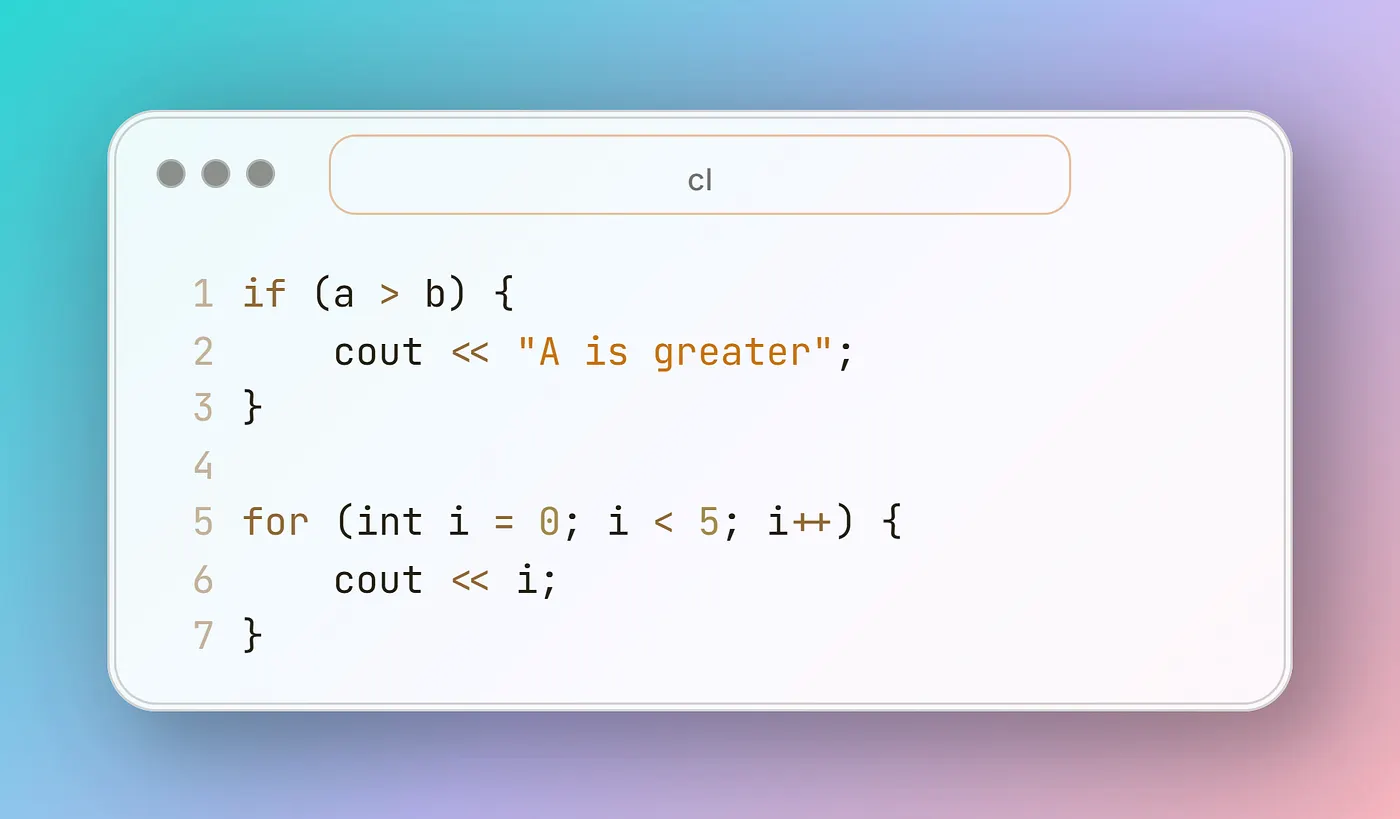
Syntax for if, while, for, and switch is almost identical.
Functions
In both languages:
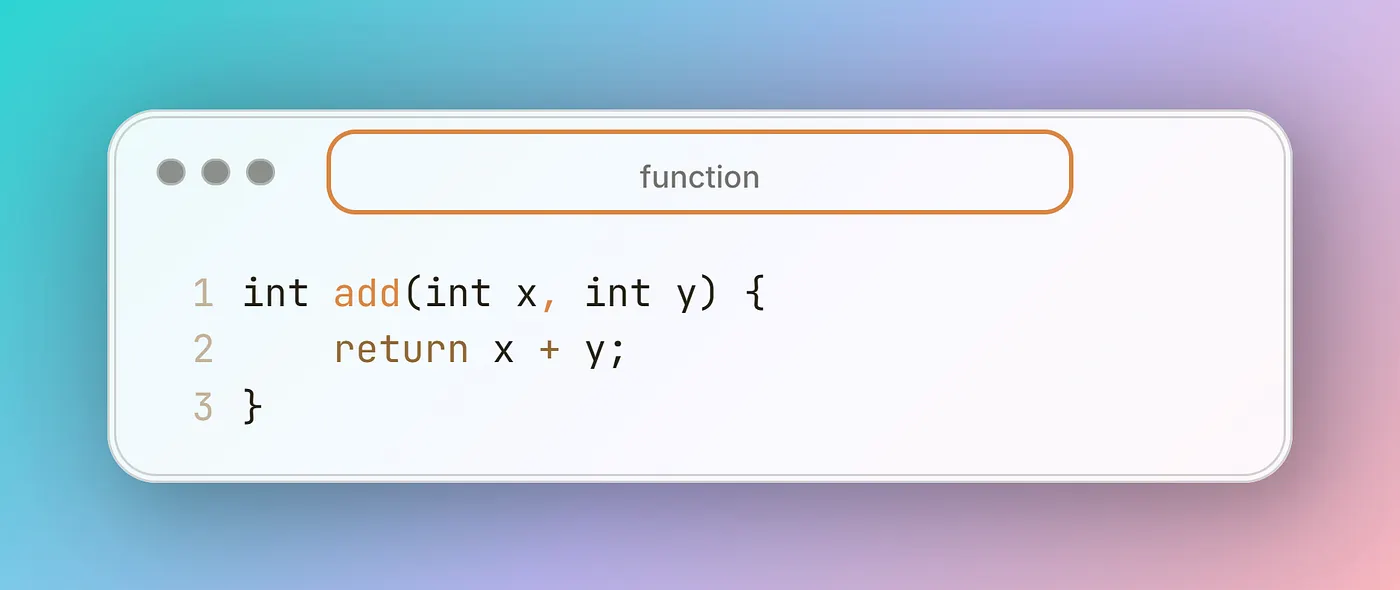
But in C++, you can overload a function:
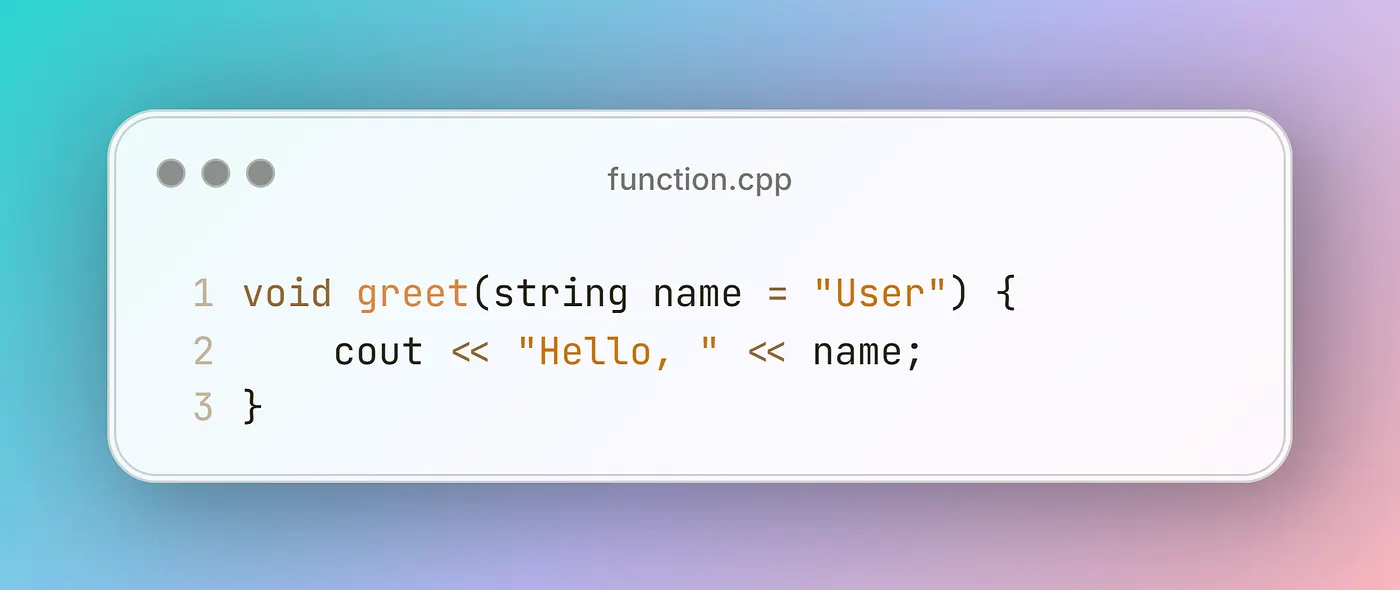
Also, C++ supports default arguments:
Pointers and Memory
In C:
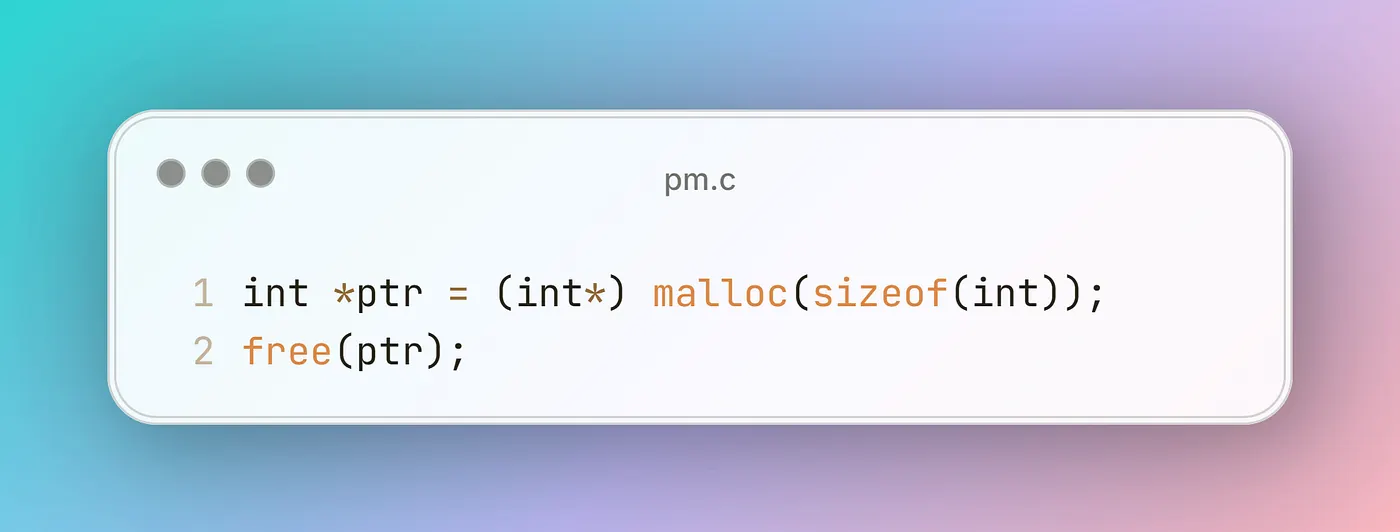
C++:
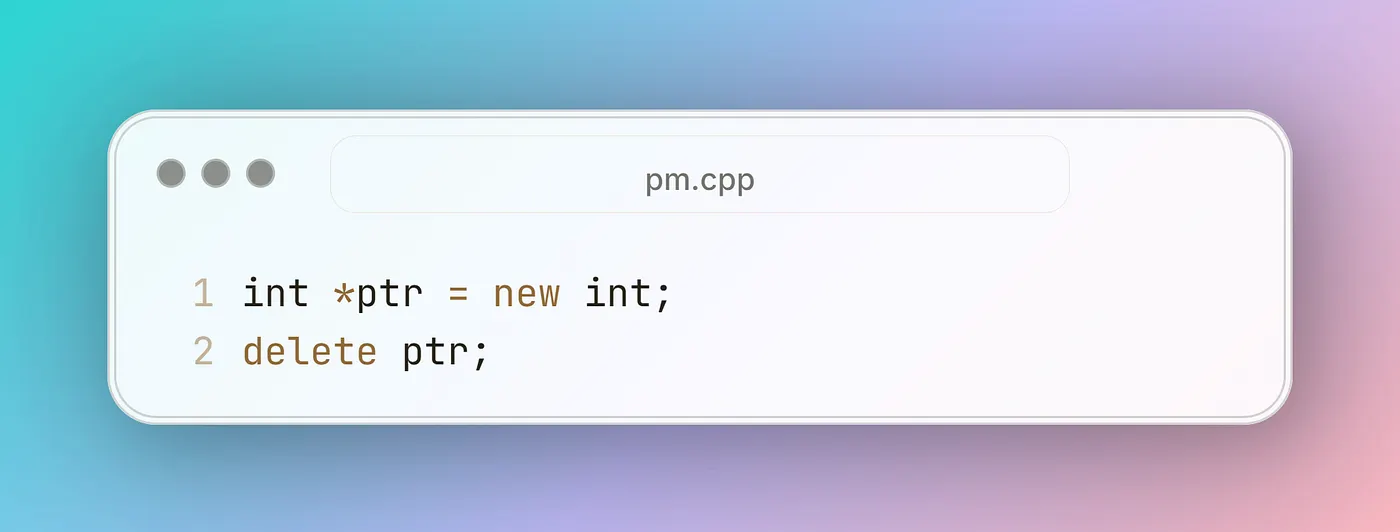
Both support pointers, but the new/delete syntax in C++ is cleaner than malloc/free.
Structures and Classes
C uses struct:
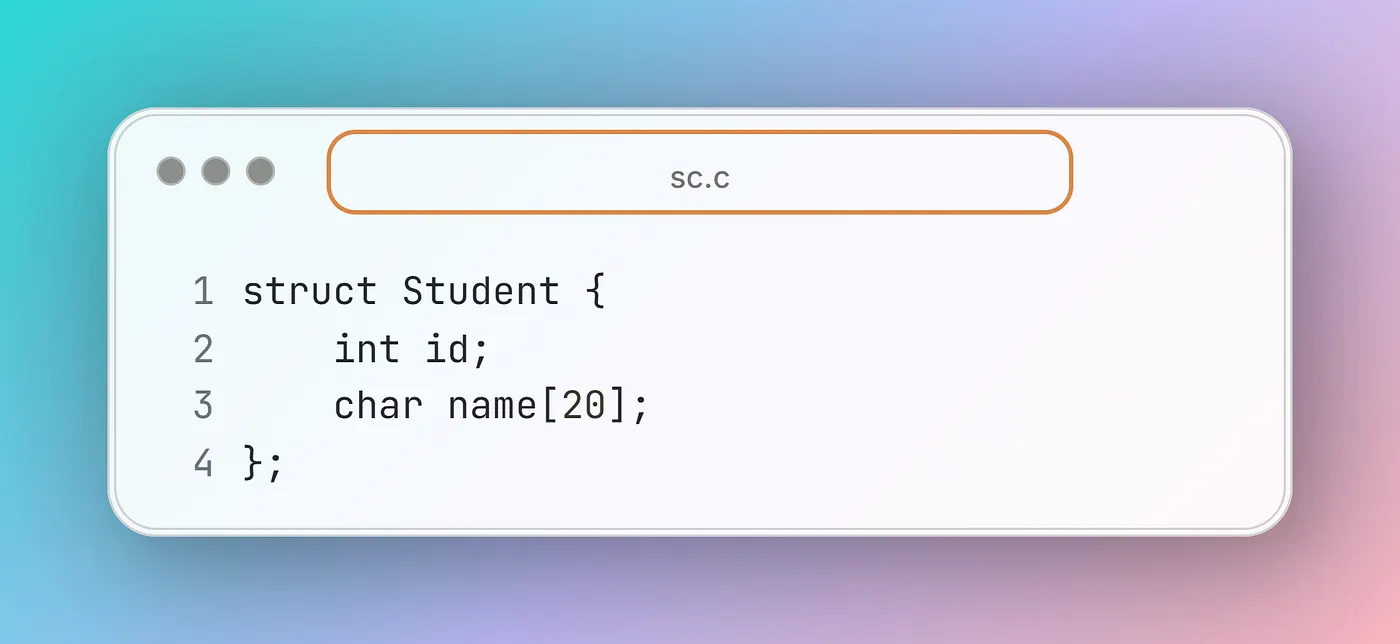
C++ uses class:
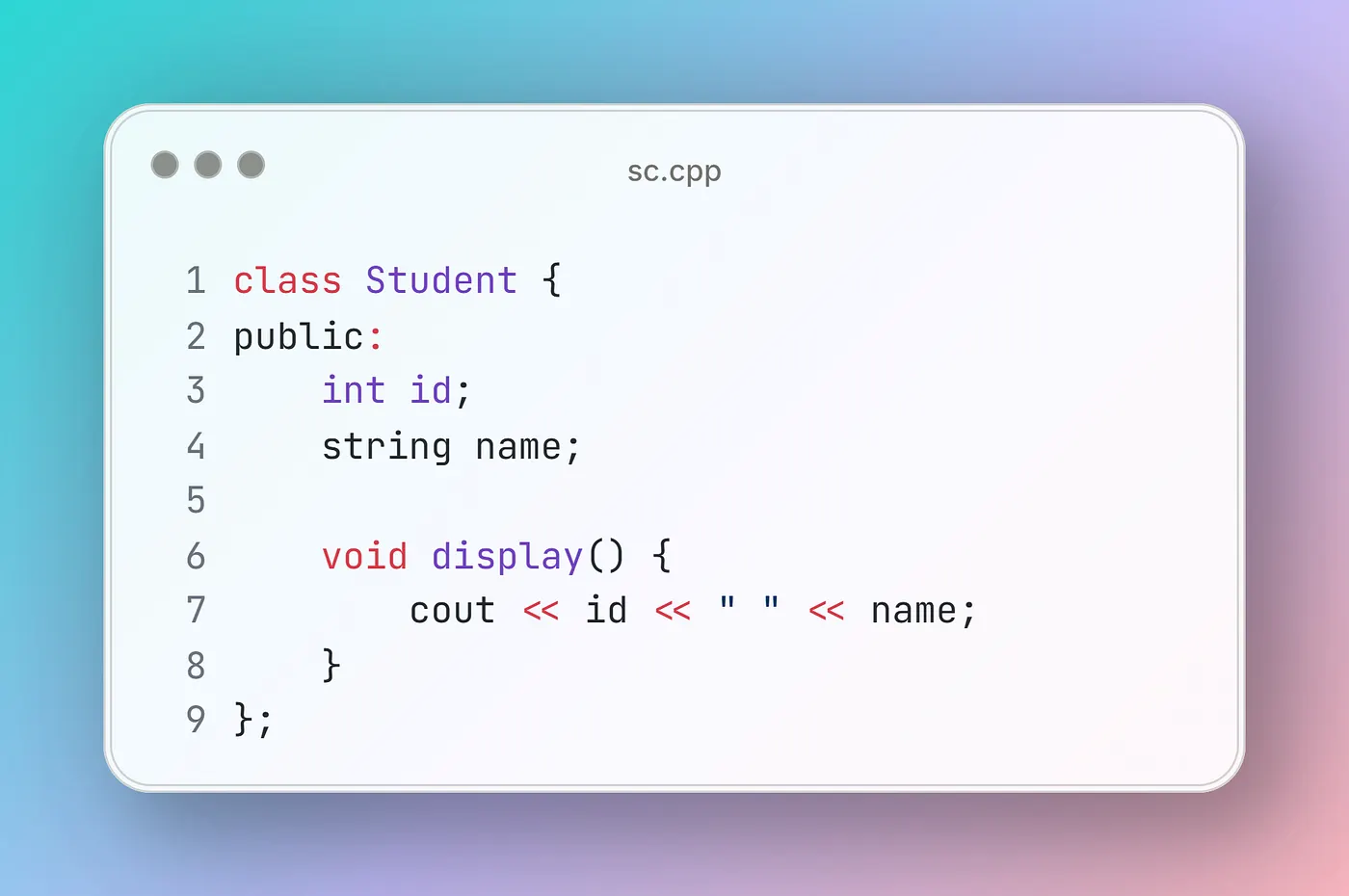
This is where C++ gets powerful it supports object-oriented programming (OOP) using classes, inheritance, and encapsulation.
Standard Template Library (STL) C++ Only
C++ comes with built-in tools like vectors, maps, stacks, and algorithms.
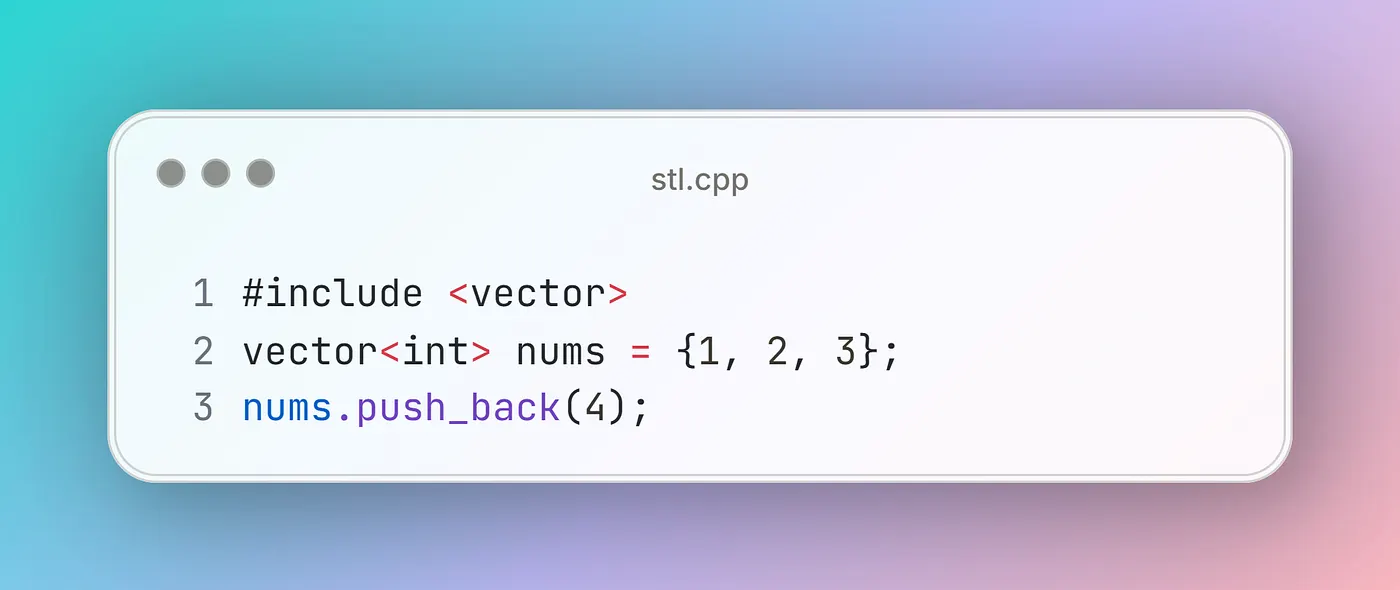
There’s nothing like this in C by default. You’d have to build it manually.
Namespaces
C++ supports namespaces to avoid name conflicts.
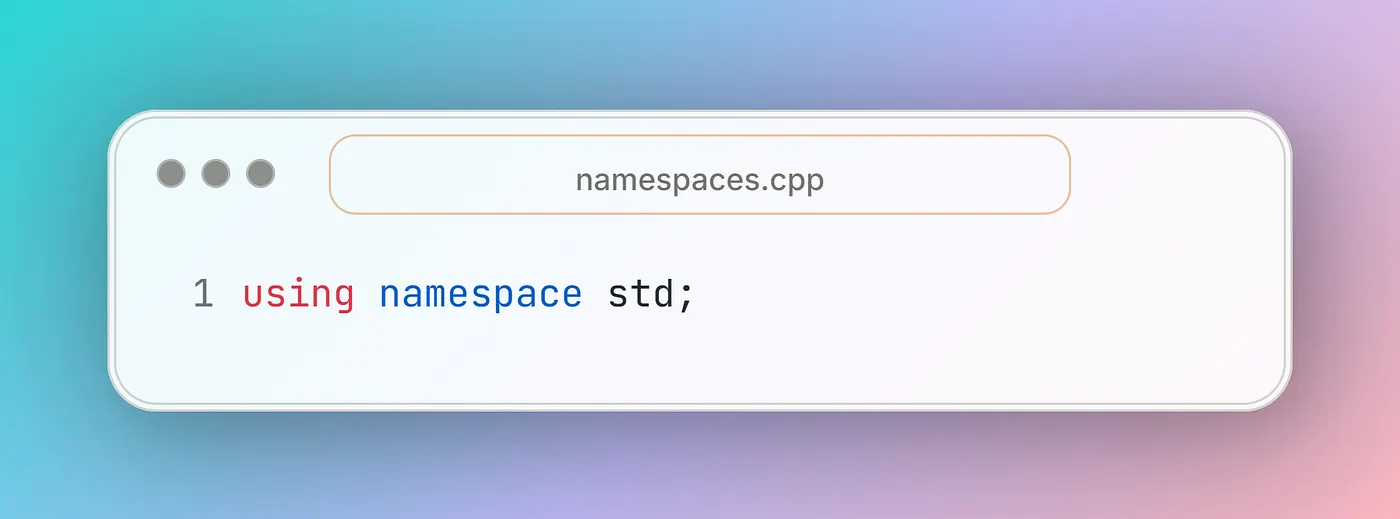
This lets you use cout, cin, and string directly, without writing std:: every time. C doesn’t have namespaces.
If you’re just starting, learn the basics of both. Practice writing small programs in C++, and you’ll begin to notice how it makes your code more flexible and readable. Happy Coding!
Copyright © 2026 Mahidul Haque. This post is licensed under a CC BY-NC-ND 4.0 license. You may read, learn, and share links to this post for non‑commercial, educational purposes, as long as you give appropriate attribution. You may not copy, reproduce, adapt, distribute, or use this work commercially without explicit permission.